

Journal→Why Interior Finishes Matter More Than You Think
Why Interior Finishes Matter More Than You Think
By Savannah Dodge · March 11, 2026 · 4 min read
We tend to obsess over floor plans.
Open concept or traditional.
Kitchen island size.
Where the sofa goes.
But once the walls are drawn, the architecture of a home is often set.
Most of us cannot move walls, reposition windows, or redesign the structure itself. The bones of a space are something we inherit.
This is where interior design becomes powerful.
Interior finishes are not decorative afterthoughts. They are the elements that shape the atmosphere of a home and the way we experience it every single day. Color, material, texture, and light register with the body before the mind ever has time to analyze them.
When chosen casually, they can leave a space feeling slightly off without anyone quite knowing why.
When chosen intentionally, they have the power to completely transform how a home feels.
There are three interior layers in particular that carry an outsized influence. They quietly shape the sensory experience of a room and are often the most underestimated decisions in design.
01 - Wall Color
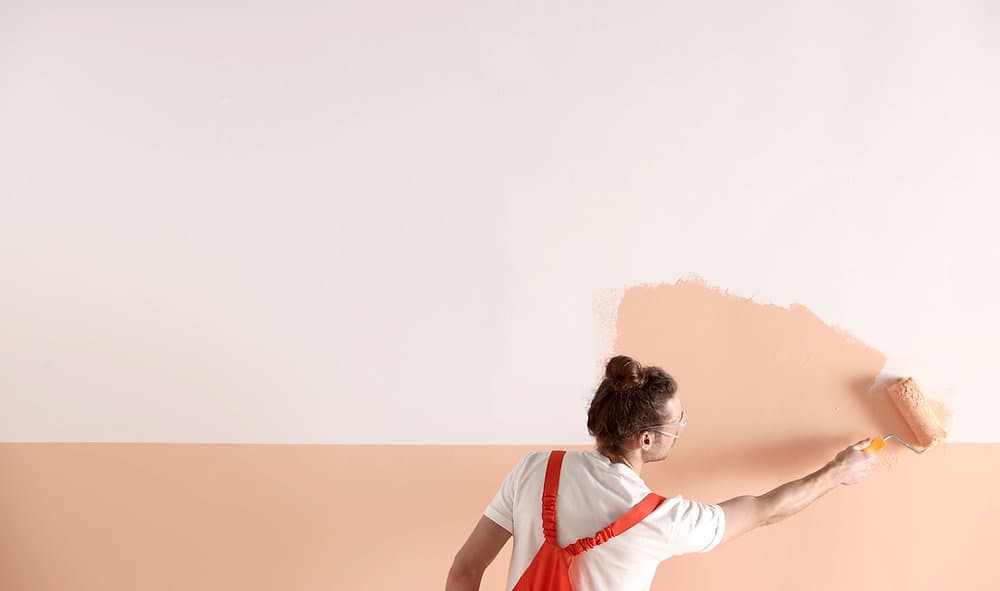
Whether it is paint, plaster, paneling, or wallpaper, the wall carries color.
And color is the primary emotional driver of a room.
There is a well established 60/30/10 principle in design. Sixty percent dominant tone. Thirty percent supporting. Ten percent accent. This ratio appears everywhere. In nature. In film. In fashion. In classical painting. It works because it mirrors balance.
In most interiors, the walls represent the sixty percent. They are the atmospheric foundation.
Color temperature, undertone, saturation, and reflectivity all influence how we experience a space. A north facing room painted in a cool gray may feel flat and draining. A warm undertone in the same space can restore vitality. Deep hues can cocoon. Pale tones can expand. The difference is not subtle.
When we choose wall color casually, we surrender the emotional tone of the room to chance.
When we choose it intentionally, we shape how we feel every single day.
02 - Flooring Material
Our feet are neurologically dense. They register temperature, texture, and stability with remarkable sensitivity. For most of our lives, they are in direct contact with the floors of our homes.
Material matters.
Beyond aesthetics, flooring influences indoor air quality, thermal comfort, and long term environmental exposure. Many mass produced synthetic materials release volatile organic compounds over time. While levels vary, the cumulative effect of living on and with certain materials should not be dismissed.
There is a reason grounding practices, walking barefoot on soil or grass, have regained cultural attention. The body seeks natural contact. It responds to authenticity in material.
Solid wood. Natural stone. Wool. Clay based surfaces. These materials age. They breathe. They carry density and depth.
Budget is real. But so is physiology.
Flooring is not just what we walk on. It is what we live on.
03 - Layered Lighting
Our homes are not hospital corridors or stadiums. Yet many are lit as if they are.
Overhead bright white recessed lighting has become normalized. It is efficient. It is standardized. It is everywhere.
But biologically, it is jarring.
The human body evolved under a singular overhead light source: the sun. And even the sun is dynamic. It shifts temperature and intensity throughout the day. Artificial lighting that is cold, flat, and indiscriminately distributed can disrupt that rhythm. It can stimulate when we need to wind down. It can flatten depth and erase shadow.
Lighting should be layered with intention.
Ambient lighting provides overall glow. Task lighting supports specific activities. Accent lighting creates focus and dimension.
The balance matters. Just like color, light requires hierarchy. A room bathed entirely in one uniform source feels clinical. A room with layered light feels alive.
When we treat lighting as infrastructure instead of an afterthought, everything changes.
Beauty Is Not Frivolous
Standardization is seductive. Trend cycles are fast. Accessibility often wins over discernment.
But the finishes we choose shape our internal environment in profound ways.
Interior design is not about excess. It is about alignment. It is about ensuring that what surrounds us supports our health, our mood, our focus, and our sense of beauty.
Art and poetry have always moved civilization forward alongside science and technology. The environments we inhabit deserve that same respect.
The decisions that seem small are often the ones we feel most deeply.
A Question Worth Asking
If your home feels slightly off, slightly draining, slightly unfinished, it may not be the layout.
It may be the layers.
What would change if every finish was selected not just for appearance, but for how it makes your body respond?
If you are ready to design with that level of intention, we invite you to begin the conversation.
Love,
Sav
Let's Chat

From the Studio
Savannah Dodge
Savannah Dodge is the Chief Executive Officer and Principal Designer of Curio Studio. She earned her BFA in Interior Design from the New England School of Art & Design at Suffolk University and brings over a decade of experience designing thoughtful, layered homes.
More about the studioMore from the journal

July 31, 2026
Cost of Interior Design in Upstate New York (2026)
What it actually costs to work with an interior designer in Upstate New York — hourly rates, project bands, pricing mode…
Read →
April 29, 2026
What to Know Before Hiring an Interior Designer in the Hudson Valley
There's a particular kind of paralysis that comes with owning a home you love but can't quite figure out. You've lived i…
Read →
February 19, 2026
The Meaning Behind Curio
The Philosophy Behind Curio Studio Curio. A noun defined by Merriam-Webster as “something considered novel, rare, or biz…
Read →