A Designer's Guide to Tile: Materials, Shapes, and Where to Use Them
- Savannah Dodge

- 1 day ago
- 14 min read
Tile is one of the most consequential decisions in any renovation or new build. Not because it's the most expensive line item in the budget, but because it covers more visual and functional surface area than almost anything else you'll specify. It sets the tone of a kitchen, defines the character of a bathroom, and determines how a floor feels underfoot for decades. It is also one of the most overwhelming categories to navigate. The options are genuinely vast, the terminology is inconsistent across suppliers, and the stakes are high because tile -- unlike paint or furniture -- is not a decision you revisit casually once it's in.
This post is a practical guide to making that decision well. We'll cover the major material types and what each one actually does -- visually, texturally, and functionally -- followed by the shape vocabulary that determines how a tile reads in a space. Then we'll bring both lenses together in a room-by-room guide to help you understand which combinations belong where and why.
PART ONE: MATERIALS
Ceramic
Ceramic is the baseline of the tile world -- fired clay with a glazed surface, available at every price point, in every color, in every finish from matte to high gloss. It is the most widely produced and most widely specified tile material in residential construction, which means the range is enormous and the quality varies enormously within it.
Visually, ceramic can be almost anything. The glaze is where all the visual character lives, and manufacturers have become extraordinarily skilled at producing glazes that mimic stone, fabric, concrete, and wood with varying degrees of convincingness. Texturally, glazed ceramic tends toward smooth and uniform -- it does not have the variation or depth of a natural material, but that consistency is part of its appeal in certain applications.
Functionally, ceramic is durable, water resistant, and easy to clean. Its primary limitation is hardness -- it is softer than porcelain and more prone to chipping under impact, which makes it better suited to wall applications and lower-traffic floor areas than to high-use floors. It is also not frost resistant, which limits its use outdoors in cold climates.
Best for: bathroom walls, kitchen backsplashes, lower-traffic interior floors, any application where visual flexibility and budget efficiency are priorities.
Porcelain
Porcelain is ceramic's denser, harder, less porous cousin -- fired at higher temperatures from a more refined clay body, which produces a tile that is significantly more durable and significantly less water-absorbent than standard ceramic. It is the workhorse of contemporary residential tile specification and for good reason.
Visually, porcelain has expanded dramatically in the last decade with the development of large-format digital printing technology. Porcelain slabs that credibly replicate the look of Calacatta marble, concrete, and aged wood are now widely available, and in large formats -- 24x48 inches and beyond -- they produce a seamless, expansive surface that no natural material can match at the same price point. The tradeoff is that printed porcelain, however convincing at a glance, lacks the depth and variation of the real thing. It reads differently up close and in raking light.
Texturally, porcelain ranges from polished (reflective, shows scratches and water marks) to matte (more forgiving, lower maintenance) to textured (slip-resistant, better for floors). Through-body porcelain -- where the color and pattern run through the full thickness of the tile rather than sitting only on the surface -- chips less visibly and is worth specifying in high-use applications.
Functionally, porcelain is the most durable and versatile tile material available. It is frost resistant, suitable for exterior use, appropriate for radiant heat systems, and handles heavy traffic without complaint.
Best for: high-traffic floors, exterior applications, wet areas, any space where durability is the primary specification driver, large format wall and floor applications.
Natural Stone
Natural stone is the category with the most internal variation and the most to offer a project that takes materials seriously. Marble, travertine, slate, limestone, and quartzite are distinct materials with distinct visual characters, distinct physical properties, and distinct maintenance requirements -- and they are frequently conflated or misunderstood.
Marble is the most visually dramatic of the stone family -- bold veining, high variation, a surface that reads as genuinely luxurious in a way that no printed alternative fully replicates. It is also the highest maintenance. Marble is calcium carbonate, which means it is chemically reactive to acids -- citrus, wine, vinegar, most common cleaning products -- and will etch if those substances sit on the surface. It is also relatively soft and will scratch over time. In the right application, that patina is part of the point. In a high-use kitchen floor, it is a liability. Seal it, maintain it, and use it where it makes sense.
Travertine is a limestone formed by mineral springs, characterized by its natural pitting and open pore structure. Visually warmer and more earthy than marble, with a softness and age to it that reads beautifully in the right interior. It shares marble's sensitivity to acids and requires sealing. The pitting can be left open for a more rustic character or filled for a smoother surface.
Slate is dense, non-porous, and possesses a natural cleft surface that is both visually distinctive and highly slip-resistant. Its color palette runs from deep charcoal and blue-grey to warm russet and green, and it is one of the few natural stones that requires minimal sealing and maintenance. Texturally it is the most tactile of the stone family -- the surface has genuine grip and dimension.
Limestone sits between marble and travertine -- softer in color and character, more uniform in pattern, with a quiet elegance that works particularly well in neutral, restrained interiors. It is acid sensitive and requires sealing but tends to be more forgiving of daily use than marble.
Quartzite is frequently confused with quartz (an engineered material) and with quartzite-look porcelain. It is a metamorphic rock -- sandstone transformed under heat and pressure -- and is one of the hardest natural stones available. It has the visual drama of marble with significantly greater durability and lower maintenance requirements. For homeowners who want the look of marble in a high-use application, quartzite is almost always the correct answer.
Best for: bathrooms (all stone types), kitchen backsplashes (sealed marble, limestone, quartzite), lower-traffic floors (marble, travertine, limestone), high-traffic floors (slate, quartzite), feature walls and fireplace surrounds (all types).
Cement and Encaustic
Cement tile is one of my personal favorites in the entire tile category, and I reach for it on projects where the right opportunity presents itself. It is handmade, pattern-forward, and possesses a depth of color and surface variation that no manufactured tile can replicate. Every tile is slightly different. The cumulative effect of an encaustic cement floor is something that takes your breath away in a way that a printed porcelain tile simply does not.
Encaustic cement tile is made by pressing pigmented cement into molds rather than firing clay. The pattern is inlaid into the surface during production -- it is not a glaze, which means it will not chip or peel, but it is also not sealed into the tile, which means it requires careful maintenance. Cement tile is porous and must be sealed before and after installation, and periodically thereafter. Acidic cleaners will damage the surface. It will develop a patina over time -- intentionally, beautifully, in ways that speak to the life lived on top of it.
Visually, encaustic cement is the tile category with the most personality. The pattern vocabulary is vast -- geometric, floral, Moorish, abstract -- and the color options range from deeply saturated to soft and chalky. Texturally, the surface is matte and slightly rough, with a warmth underfoot that glazed ceramic cannot replicate.
Best for: entryways, kitchen floors, mudrooms, bathroom floors (with proper sealing), feature walls, any space where you want the tile itself to be the design statement.
Terracotta
Terracotta is unglazed fired clay -- one of the oldest building materials in human history -- and it brings a warmth and earthiness to a space that no other tile material achieves. Its color palette is the warm end of the earth spectrum: deep ochre, burnt sienna, warm clay red. Its texture is rough, irregular, and alive in a way that manufactured tile is not.
Visually, terracotta is unmistakably itself. It does not pretend to be anything else, and that honesty is part of its appeal. It reads as grounded, warm, and deeply connected to the tradition of natural building materials. It is the right choice when you want a floor that feels ancient and rooted rather than contemporary and sleek.
Functionally, terracotta is highly porous and requires thorough sealing to resist staining and moisture penetration. Sealed and maintained properly, it is durable and develops a beautiful patina over decades of use. Unsealed or improperly maintained, it stains easily and is difficult to restore. It is not recommended for wet areas without rigorous sealing protocols.
Best for: kitchen floors, entryways, mudrooms, sunrooms, any space with a warm, earthy, Mediterranean or farmhouse character. Exceptional in Hudson Valley homes with historic or agricultural bones.
Zellige
Zellige is handmade Moroccan tile -- individually cut from slabs of hand-glazed clay, which means every tile is slightly different in thickness, glaze color, and surface texture. That variation is not a defect. It is the entire point, and it is what separates zellige from every machine-made alternative that attempts to imitate it.
I specify zellige on projects where a surface needs to do more than cover square footage. The way light moves across a zellige wall is unlike anything else in the tile world -- the irregular surface catches and reflects light from dozens of angles simultaneously, producing a shimmer and depth that is genuinely difficult to photograph and must be experienced in person. In a kitchen, a bathroom, or any space where natural light moves through the day, zellige is alive in a way that flat glazed tile is not.
The glaze variation within a single color is significant. A zellige tile specified as white will contain ivory, cream, pale grey, and warm yellow within the same installation. That variation requires both confidence and intention from the designer -- it is not a tile for those who want precision and uniformity. For those who understand it, it is one of the most beautiful materials available at any price point.
Functionally, zellige requires experienced installation. The thickness variation means a skilled tile setter is essential -- this is not a DIY material. It is suitable for walls and floors in lower-traffic applications. The glaze surface is not frost resistant.
Best for: kitchen backsplashes, bathroom walls, feature walls, shower surrounds in lower-traffic bathrooms, any surface where you want light and variation to be the dominant visual experience.
Glass
Glass tile occupies a completely different visual register than stone or ceramic. It is reflective, luminous, and color-saturated in a way that no other tile material achieves -- light passes through the tile body rather than simply reflecting off the surface, which produces a depth and vibrancy that is specific to the material.
Visually, glass tile is best used where you want a surface to glow. In a backsplash behind a range, it captures and amplifies the light from pendants and windows. In a shower, it creates a sense of water and luminosity that is genuinely beautiful. It is not a subtle material and should not be used as one.
Texturally, glass is smooth and cool. It has no grip, which limits its application on floors to specifically textured products designed for that purpose. Most residential glass tile applications are wall installations. Functionally, glass is non-porous, stain resistant, and does not require sealing. It is also unforgiving of substandard installation -- any lippage, uneven backing, or imperfect adhesive coverage will be visible through the tile body.
Best for: kitchen backsplashes, bathroom and shower walls, pool surrounds, any application where you want luminosity and color saturation rather than the warmth and texture of a natural material.
Quarry Tile
Quarry tile is unglazed, dense, slip-resistant clay tile -- one of the most functional and most underappreciated materials in the residential tile category. It has a matte, utilitarian character that reads as honest and unpretentious, and in the right interior -- a working kitchen, a mudroom, a laundry room -- it is exactly right.
Visually, quarry tile is quiet. Its color palette runs from warm red-brown to deep charcoal, and its unglazed surface has a natural matte depth that improves with age and use. Functionally, it is one of the most durable floor materials available -- dense, hard, naturally slip-resistant, and highly resistant to frost, which makes it appropriate for both interior and exterior applications in cold climates.
Best for: mudrooms, laundry rooms, working kitchens, exterior covered areas, any application where durability and slip resistance are the primary drivers.
PART TWO: SHAPES
Shape is the second design decision in any tile specification, and it is frequently underestimated. The same material in two different shapes will produce completely different spatial effects -- different scales, different amounts of visual movement, different relationships to the architecture around them. Understanding the shape vocabulary gives you genuine control over what a tiled surface does to a room.
Square
The square is the default tile shape, and like most defaults it is both reliable and easy to misuse. Scale is the primary variable -- small square mosaic tiles read as textural and intricate, large square tiles read as clean and expansive, and mid-size squares require a deliberate effort in execution to avoid reading as dated. Grout joint width and color are where a square tile specification becomes interesting or unremarkable.
Rectangular and Brick
The rectangle is the most versatile tile shape available and the most responsive to lay pattern. Running bond reads as classic and grounded. Stacked vertical elongates a wall and draws the eye upward. Horizontal stack emphasizes width and reads as contemporary and graphic. Herringbone and chevron introduce significant visual movement and should be treated as a design statement. The same tile in four different lay patterns produces four completely different spatial effects.
Large Format
Large format tile -- generally anything above 15 inches in either dimension, commonly specified at 24x48 or 48x48 inches -- has become the dominant aesthetic of contemporary residential design. Fewer grout lines produce a more seamless, expansive surface that makes spaces read as larger and more resolved. The tradeoffs are practical: large format requires a perfectly flat substrate, more experienced installers, and is less forgiving of structural movement over time. Used correctly it produces some of the most serene surfaces available in residential design.
Subway
The subway tile is a specific rectangle -- classically 3x6 inches in the proportions originally used in New York City subway stations in the early twentieth century -- that has become one of the most enduring shapes in residential tile design. Its longevity is not an accident. The proportions are inherently pleasing and the shape works in running bond, stacked, and herringbone patterns with equal confidence. The risk in the current moment is ubiquity -- it requires a considered execution to read as a genuine design decision. Zellige in subway format is one of the most beautiful tile applications available.
Hexagon
The hexagon reads as considered and specific rather than generic -- its geometry references both Victorian bathroom floors and contemporary design equally. Small hexagons are best suited to floors, where their scale creates texture and pattern that larger formats cannot. Large hexagons read more graphically and boldly -- on a wall they make a genuine statement, on a floor in a larger room they can be extraordinary but require confidence in the execution.
Fish Scale and Scallop
The fish scale -- also called scallop tile -- is a curved shape referencing the overlapping scales of marine life and the roof tiles of traditional Japanese and Mediterranean architecture. It is one of the most directional tile shapes available: the curves create an unmistakable sense of movement and layering that reads as both historic and contemporary depending on the material and color. In zellige or handmade ceramic, the glaze variation amplifies the movement of the shape in ways that are genuinely beautiful.
Star and Cross
The star and cross pattern is a two-tile system originating in Islamic geometric tile work and present throughout the historic architecture of Spain, Portugal, and Morocco. It is one of the most visually sophisticated tile patterns available and carries genuine historical weight. In cement encaustic tile it is extraordinary -- a star and cross cement floor in an entryway or kitchen is a design decision that announces itself clearly and ages beautifully.
Picket and Arabesque
The picket is an elongated hexagon -- pointed at both ends -- that creates strong directional movement when tiled. Laid vertically it reads as elegant and architectural. The arabesque is a more complex curved, pointed shape derived from Islamic geometric ornament that creates an interlocking pattern with strong visual rhythm. Both shapes work best on walls and lower-traffic floor applications where the complexity of the pattern can be appreciated rather than obscured.
Penny Round
Penny round tile is small -- typically one inch in diameter -- and produces a surface that reads as entirely textural rather than geometric. It is one of the most tactile tile formats available, and in a shower floor or bathroom floor where bare feet are the primary relationship with the surface, that tactility is both pleasurable and practical -- the grout lines between rounds provide natural slip resistance without a textured tile surface.
Chevron and Herringbone
Chevron and herringbone are lay patterns as much as shapes -- both use rectangular or parallelogram tiles arranged at angles to create V-shaped and zigzag movement across the surface. Herringbone arranges full rectangles at 90-degree angles, producing a classic zigzag that reads as energetic but contained. Chevron uses tiles cut at an angle so the points meet precisely, producing a cleaner V-shape with more graphic precision. Both increase waste and installation cost and are worth it when the application calls for movement and pattern.
PART THREE: WHERE TO USE WHAT
Kitchen Floor
The kitchen floor is one of the highest-use surfaces in any home. Durability and ease of maintenance are the primary functional drivers, but this is also a surface with significant visual impact. Cement encaustic tile is the first choice for a kitchen floor that wants to make a statement -- a bold geometric pattern in a muted palette grounds the space and improves with age. Terracotta is right when the home has warm, earthy bones. Large format porcelain is the most practical specification for a kitchen floor that wants to recede rather than lead. Quarry tile is correct in a working kitchen or a home with a more utilitarian aesthetic.
Kitchen Backsplash
The backsplash is the tile application with the most freedom and the most potential for a real design moment. It is a wall surface, which means structural performance is not a driver -- the primary considerations are visual and ease of cleaning. Zellige is the first choice for a kitchen backsplash that should be memorable. Recycled glass tile is a strong alternative where luminosity and color saturation are the priority. Handmade ceramic in subway format is a classic that remains excellent when executed with intention -- an interesting color and a deliberate grout choice elevate it significantly.
Bathroom Floor
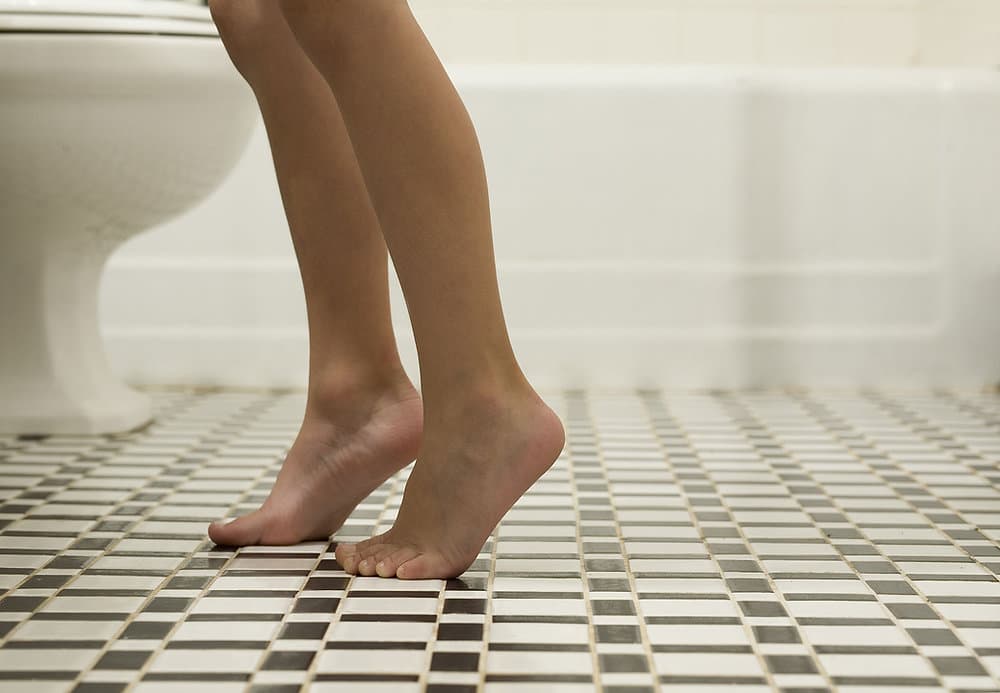
The bathroom floor has specific functional requirements: slip resistance and water management are non-negotiable. Penny round is one of the best bathroom floor tiles available -- the grout lines provide slip resistance, the small scale reads as textural and refined, and in a natural stone or handmade ceramic it is genuinely beautiful. Small hexagon mosaic is a close second. Natural stone on a bathroom floor -- marble, limestone, travertine -- is beautiful and requires commitment. Seal it properly, use appropriate cleaners, and understand that it will develop a patina. For the right homeowner in the right bathroom, it is completely worth it.
Bathroom and Shower Walls
Shower walls are a wet application with daily exposure to water, steam, and cleaning products. Porcelain and ceramic are the most practical specifications. Natural stone is beautiful and achievable with proper sealing. Zellige in a shower is one of the most extraordinary residential tile applications possible -- the way it handles light and moisture simultaneously is specific and gorgeous -- but requires an experienced tile installer and rigorous sealing. Large format porcelain on shower walls reads as contemporary and serene with minimal grout lines to maintain. Subway tile in running bond or vertical stack is a classic that remains excellent.
Entryway
The entryway floor is a high-traffic, high-visibility surface that sets the tone for the entire home. Cement encaustic in a bold pattern is one of the strongest entryway tile choices available -- it announces the home's character immediately and improves with every year of patina. Terracotta in a larger format is warm and welcoming, appropriate for homes with historic or agricultural character. Large format porcelain is the most practical for a high-traffic entryway that wants to recede. Natural stone -- particularly a honed marble or limestone -- is exceptional in an entryway that can support the maintenance commitment.
Mudroom and Laundry
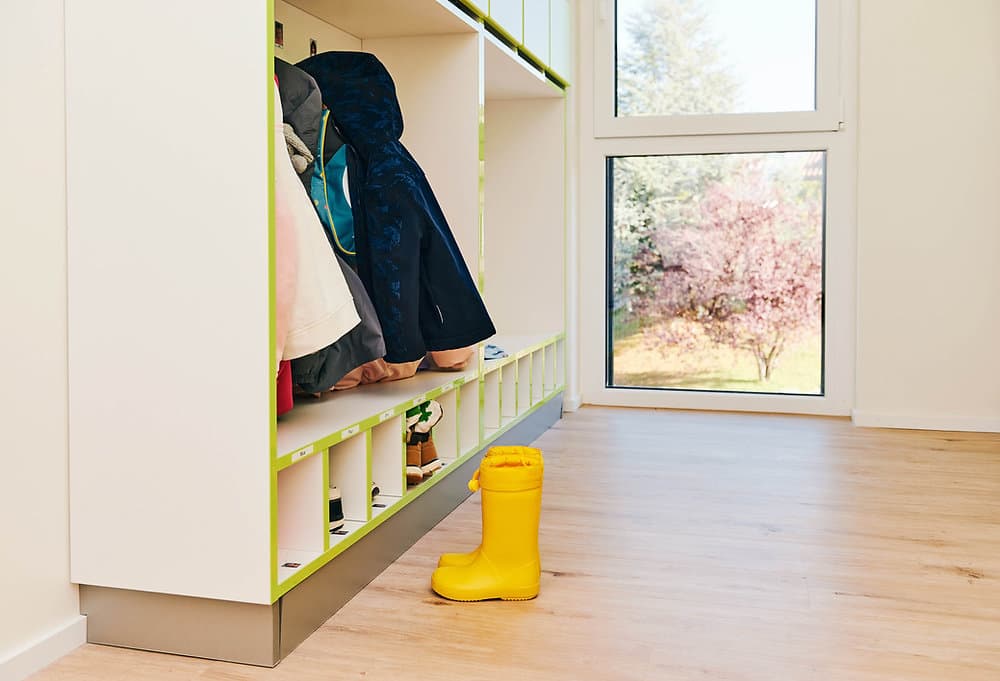
These are functional spaces first. Slip resistance, durability, and ease of cleaning are the drivers. Quarry tile is the correct answer for a mudroom or laundry floor that will see daily mud, water, and heavy use. Large format porcelain in a matte or textured finish is a close second. Cement encaustic in a simple pattern is a way to give a utilitarian space genuine character without sacrificing function.
Outdoor and Covered Exterior
Not all tile is suitable for outdoor use in cold climates. Frost resistance is essential -- any tile that absorbs water will crack in a freeze-thaw cycle. Porcelain is the safest outdoor tile specification for the Northeast. Quarry tile is appropriate for covered exterior areas. Natural stone varies -- slate and quartzite are generally frost resistant; marble, travertine, and limestone are not appropriate for outdoor use in cold climates without specific product testing.
Tile is one of the design decisions where knowing the vocabulary genuinely changes the outcome. Understanding what a material is made of, how it behaves over time, and what a shape does to a surface gives you the tools to make a specification that is both beautiful and appropriate for how the space will actually be used -- and to recognize when a designer is steering you toward something that serves the project rather than just filling the budget.
If you are planning a renovation or new build and want to work through the tile decisions with someone who thinks at this level, I would love to help.


Comments