

Journal→What Your Home Is Made Of Matters
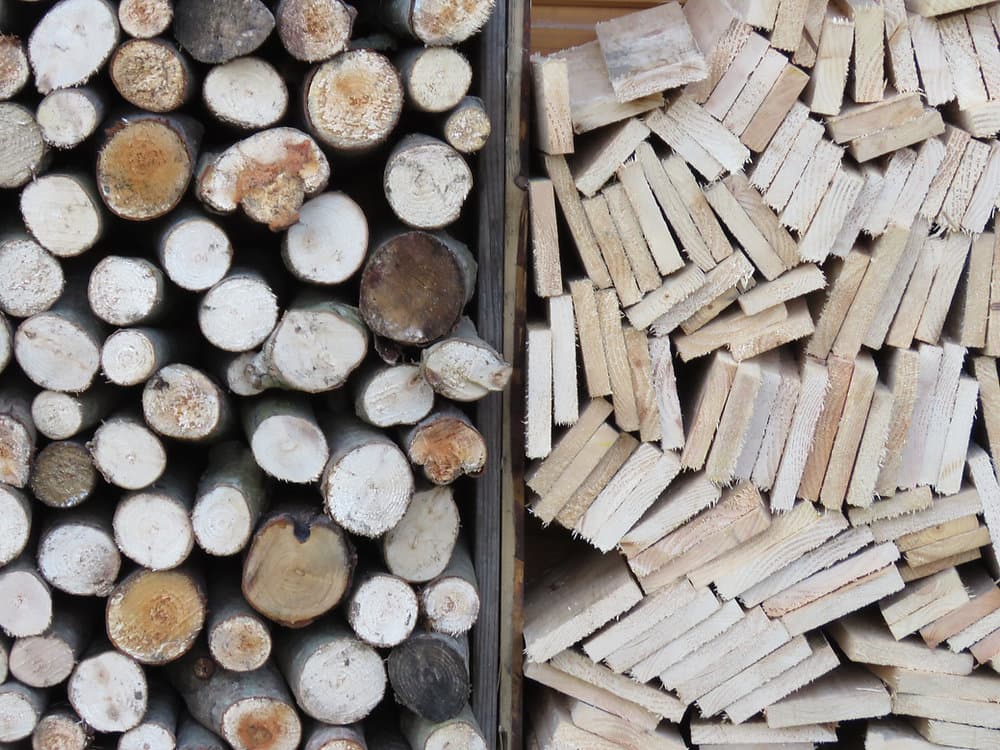
The materials we welcome into our homes matter far more than we’ve been taught to believe.
They shape how a space feels, how it ages, how it impacts our health, and how it interacts with the planet. At Curio Studio, we view materials not just as finishes, but as living contributors to the environment we inhabit every day.
Below are materials we believe belong in the home, and those we approach with caution.
Materials to Welcome Into Your Home
Naturally occurring materials that have existed long before us and will outlast us when sourced responsibly.
Natural Fibers: Wool, Cotton, Linen
These textiles are derived from natural sources and have been used for centuries across cultures.
Wool comes from sheep who must be sheared for their survival. It is naturally stain resistant, odor resistant, and self regulating. Traditionally, wool was cleaned simply by laying it in the snow.
Cotton is harvested from the cotton plant and prized for its softness and breathability.
Linen is made from the flax plant and is naturally temperature regulating and moisture wicking, making it ideal for both warm and cool climates.
These fibers breathe, age gracefully, and interact with the body in ways synthetic materials simply cannot.
Natural Stone: Marble, Soapstone, Granite, Travertine
Stone is quarried from the earth itself, formed over millennia under pressure and time. No two pieces are identical. The veining, movement, and texture are records of geological history that cannot be replicated by machines.
When used thoughtfully, natural stone grounds a space and connects it back to the planet in a very literal way.
Glass
Glass is made primarily from sand, heated to high temperatures and cooled slowly. It has one of the most effective recycling loops available to us, able to be broken down and remade endlessly without degradation.
It is honest, durable, and timeless when used well.
Wood
Wood is a living material, one that carries warmth, depth, and variation. Each piece tells a story of growth rings, climate, and time.
When harvested responsibly, wood brings an irreplaceable richness to interiors and creates a tactile connection between the built environment and nature.
Concrete and Terrazzo
Concrete and terrazzo are made from simple natural components including limestone, clay, water, sand, and aggregates.
When thoughtfully designed, they offer durability, texture, and visual depth without excess. They age beautifully and can last generations.
All of the above materials are only beneficial when sourced responsibly and, whenever possible, locally.
Materials to Approach With Caution
Primarily synthetic, man made materials that introduce VOCs and unnecessary chemical exposure into the home.
Many of these materials off gas volatile organic compounds which can negatively impact indoor air quality and, in some cases, are known carcinogens.
Plastic
By now, plastic is unavoidable and already present in our bodies and ecosystems. That does not mean it belongs in permanent surfaces within the home.
Polypropylene
Commonly used in performance textiles and outdoor rugs. This is what allows fabric to repel red wine and survive outdoors, but it is also a petroleum based plastic.
Melamine
Often found on inexpensive furniture as a veneer over MDF. It is manufactured using formaldehyde and has been banned or restricted in several countries. It is listed as a Substance of Very High Concern in Europe.
Polyester
Plastic turned into thread. Many affordable rugs, textiles, and clothing items are essentially softened plastic fibers.
Vinyl
Vinyl flooring is another plastic product, often marketed as durable and low maintenance. In reality, it is a synthetic surface you walk on daily that contributes to indoor chemical exposure.
Laminate
Often the most affordable flooring option. The top layer is typically melamine, meaning prolonged contact with a chemically intensive surface.
Quartz
Quartz has become wildly popular due to its durability and resemblance to natural stone. While generally considered non toxic once installed, recent studies have raised serious concerns about the health risks to workers during manufacturing and fabrication, including links to severe respiratory illness.
At Curio Studio, we believe sustainability includes not only the end user, but everyone involved in the creation of a material.
Material choices are not about perfection. They are about awareness, intention, and long term thinking. Your home should support your health, reflect your values, and stand the test of time.
Love,
Sav
Let's Chat!

From the Studio
Savannah Dodge
Savannah Dodge is the Chief Executive Officer and Principal Designer of Curio Studio. She earned her BFA in Interior Design from the New England School of Art & Design at Suffolk University and brings over a decade of experience designing thoughtful, layered homes.
More about the studioMore from the journal

June 17, 2026
Eco-Friendly Home Materials: From Hemp and Reclaimed Wood to Mycelium and Biocement
Every material in your home has a story. Where it came from, what it cost the earth to produce, how it was processed and…
Read →
May 27, 2026
Embodied Carbon vs. Operational Carbon: What Every Homeowner Should Know Before They Build
When most people think about the environmental impact of their home, they think about energy bills. The electricity it c…
Read →
April 22, 2026
How to Design a More Sustainable and Regenerative Home
Most conversations about interior design start and end at the surface: the finishes, the furniture, the palette. And tho…
Read →